
Living in Australia means dealing with everything from tropical humidity to sudden southern downpours, which can wreak havoc on your home’s interior if you aren't prepared. Preventing leaks and damp spots is not just about aesthetic appeal; it is a critical structural necessity that protects your family from mould and mildew. When you invest in high-quality wall and floor waterproofing, you are essentially creating an invisible fortress that keeps moisture in the pipes and out of your timber frames or masonry. Taking a proactive stance now will save you thousands in restoration costs down the track, ensuring your sanctuary remains high and dry through every season.
Identifying the Tell-Tale Signs of Early Water Ingress
Before a full-blown leak occurs, your home often whispers warnings through small changes in texture or colour on your surfaces. Keep a sharp eye out for bubbling paint, peeling wallpaper, or a distinct musty scent that lingers in bathrooms and laundries even after cleaning. These are classic indicators that moisture is bypassing your current barriers and soaking into the substrate. Addressing these minor red flags early prevents the dreaded "drongo" moment of discovering a rotted floor joist or a collapsed ceiling during a summer storm.
The Crucial Role of Wet Area Membrane Systems
In modern Australian building standards, the wet area membrane is the unsung hero of the bathroom and kitchen. This flexible, rubberised layer sits beneath your tiles to catch any water that seeps through grout lines or silicone joints. Ensuring that your wall and floor waterproofing membrane is continuous and properly cured is the only way to guarantee a leak-free experience. If this barrier is breached or poorly installed, water will inevitably find a path to your subfloor, leading to swelling, cracking, and potential structural failure that is a nightmare to rectify.
Why Grout and Silicone Maintenance Matters Most
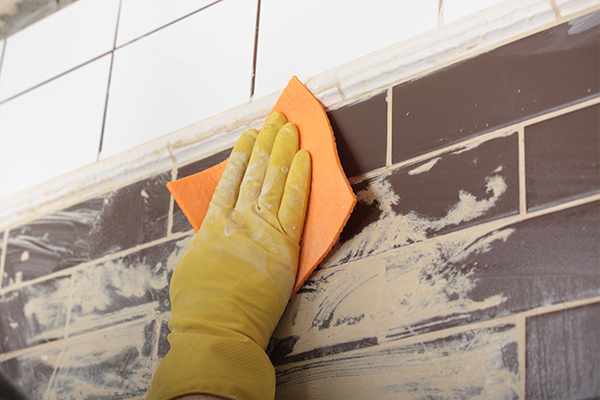
While the membrane does the heavy lifting underground, your grout and silicone are the first line of defence on the surface. Over time, the movement of a house can cause tiny hairline cracks in the grout, allowing water to penetrate the wall cavity. Regularly inspecting these joints and reapplying a high-quality, mould-resistant silicone sealant in the corners is a simple DIY task that offers massive protection. Keeping these seals tight ensures that water stays on the tiles and drains away correctly, rather than soaking into the delicate parts of your home's skeleton.

Managing Humidity and Condensation in the Tropics
For those living in the northern parts of the country, dampness isn't always about a pipe leaking; sometimes it is purely atmospheric. High humidity can cause condensation to settle on cold surfaces, leading to damp spots that look like leaks but are actually just trapped "sweat." Improving your home's ventilation by installing powerful exhaust fans or using dehumidifiers can drastically reduce this risk. When combined with professional wall and floor waterproofing, a well-ventilated room stays crisp and fresh, preventing the growth of black mould that thrives in stagnant, moist air.
The Science of Rising Damp and Subfloor Ventilation
If you notice damp patches appearing at the bottom of your walls, you might be dealing with the classic Aussie problem of rising damp. This occurs when moisture from the soil travels up through the porous bricks because the original damp-proof course has failed or been bypassed by garden beds. Ensuring your subfloor has adequate cross-flow ventilation allows this moisture to evaporate before it can penetrate your living space. Keeping your vents clear of debris and ensuring garden soil is kept below the weep holes is essential for maintaining a dry and healthy indoor environment.
Selecting the Right Primers for Porous Surfaces
When you are preparing to seal a room, the choice of primer is just as important as the top coat itself. Porous surfaces like compressed fibre cement or plasterboard need a specialized primer to ensure the subsequent layers bond perfectly and don't peel away under pressure. A good primer acts as a bridge, filling the microscopic voids in the material and providing a uniform surface for the sealants to grip. This technical step is often overlooked by amateurs but is the secret to a professional-grade finish that lasts for decades without bubbling.
Future-Proofing Your Laundry and Kitchen Renovations
Renovating a wet area is the perfect time to go above and beyond the minimum building codes to ensure total peace of mind. Consider extending your water barriers higher up the walls than required, especially in areas like the laundry where washing machine hoses are prone to bursting. By implementing a comprehensive wall and floor waterproofing strategy during the construction phase, you create a "wet room" environment that can handle major spills or appliance failures without breaking a sweat. It is an investment in your home’s future resale value and your own daily comfort.
Professional Inspection vs DIY Water Testing
While there are many things a handy homeowner can do, some tasks are best left to the experts who have thermal imaging cameras and moisture meters. If you suspect a hidden leak behind a tiled wall, a professional can pinpoint the exact location without needing to smash a single tile. They can also perform a "flood test" on your balcony or shower base to confirm that your seals are holding up under pressure. Knowing the true state of your home's water defences allows you to make informed decisions and tackle repairs before they become catastrophic emergencies.
Conclusion:
Protecting your indoor surfaces from the elements is a continuous process of observation and maintenance that pays off in the long run. By staying vigilant and using the right materials, you can easily prevent the stress and expense associated with water damage. A robust system of wall and floor waterproofing is the most effective tool in your kit, providing a durable shield against the unpredictable nature of our climate. With a bit of foresight and regular care, you can enjoy a beautiful, dry, and mould-free home that stands the test of time and weather.


Write a comment ...